
JOHNNY DIRECTOR
Japanese photographer Johnny Director combines landscape photography, travel, and self-portraiture with his doll companion, Haruka. Creating his work in remote natural locations across Japan, he captures quiet moments of companionship, solitude, and exploration shaped by mountains, changing seasons, and long journeys.
Your photographs often feature recurring elements such as hats and western-inspired styling. How did this visual style become part of your work?
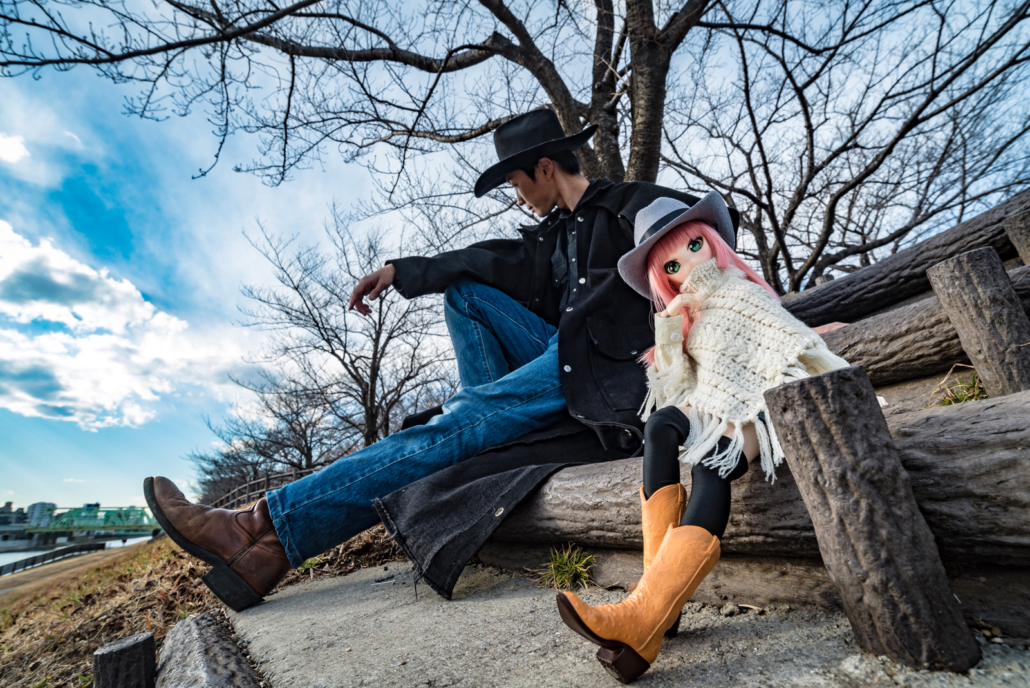
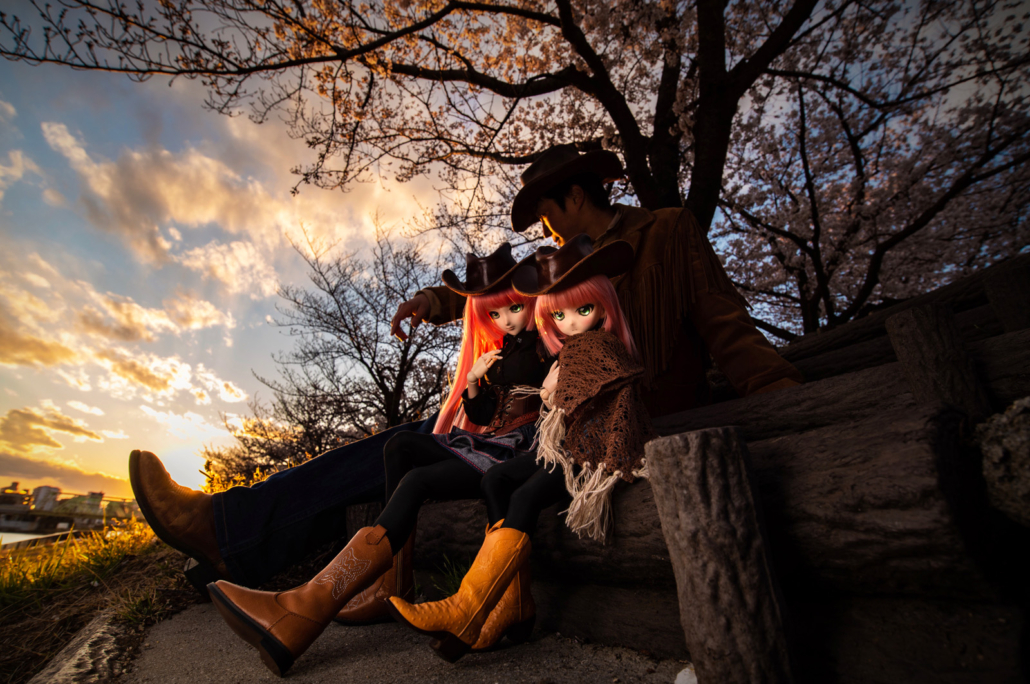
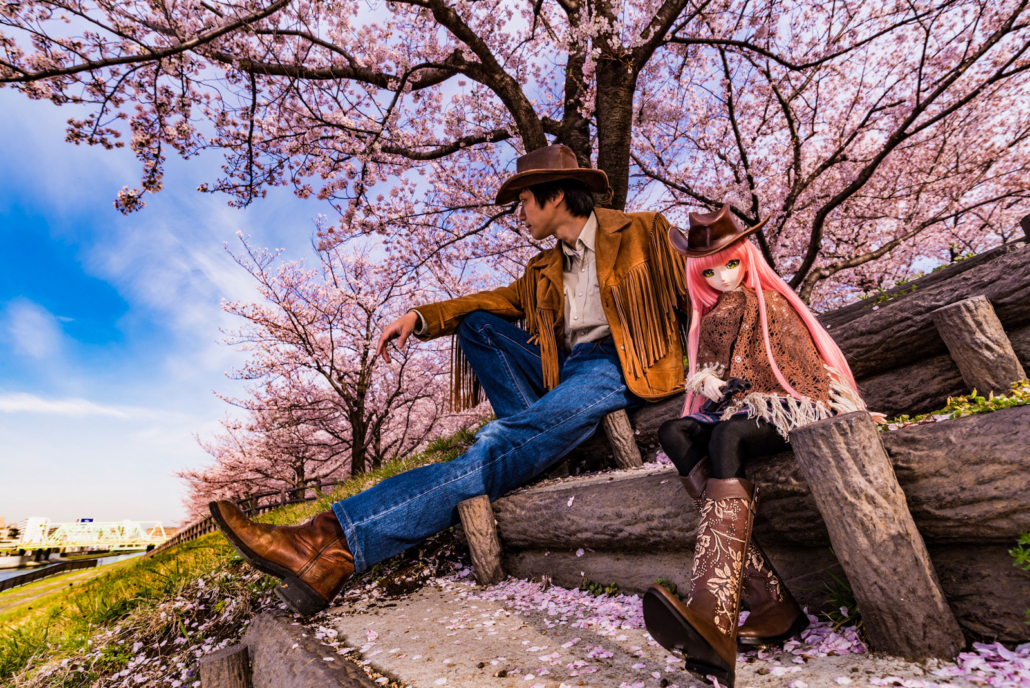
When I was a student, I loved western movies, which is where my preference for this style comes from. Actually, I’ve been wearing western-inspired clothes in my daily life for the past 20 years or so. When I first started photographing dolls, I used to put them in frilly dresses and other cute clothes, but when I switched to self-portraits with dolls, I made their clothes match my own style.
When did dolls become part of your photography, and what role do they play in your work today?
I’ve always loved traveling. At first, I’ve been taking just pictures of scenery I encountered during my travels all over Japan, but I felt like they were missing a little something that would make them stand out. That’s when I incorporated dolls into my photography.
My wife took up styling of doll heads as a hobby, and she ended up making me an original doll based on my tastes and preferences. I gave the doll a name that evokes flowers blooming during spring (haru) in Japan – Haruka.
Since my wife isn’t into spending time outdoors, she doesn’t exactly go out of her way to accompany me on my journeys. That’s why I mostly travel with Haruka instead. We’ve been to all kinds of places together and now she’s become my trusted travel companion.
Your work combines travel, landscape, and self-portrait with a doll. How did this concept develop over time?
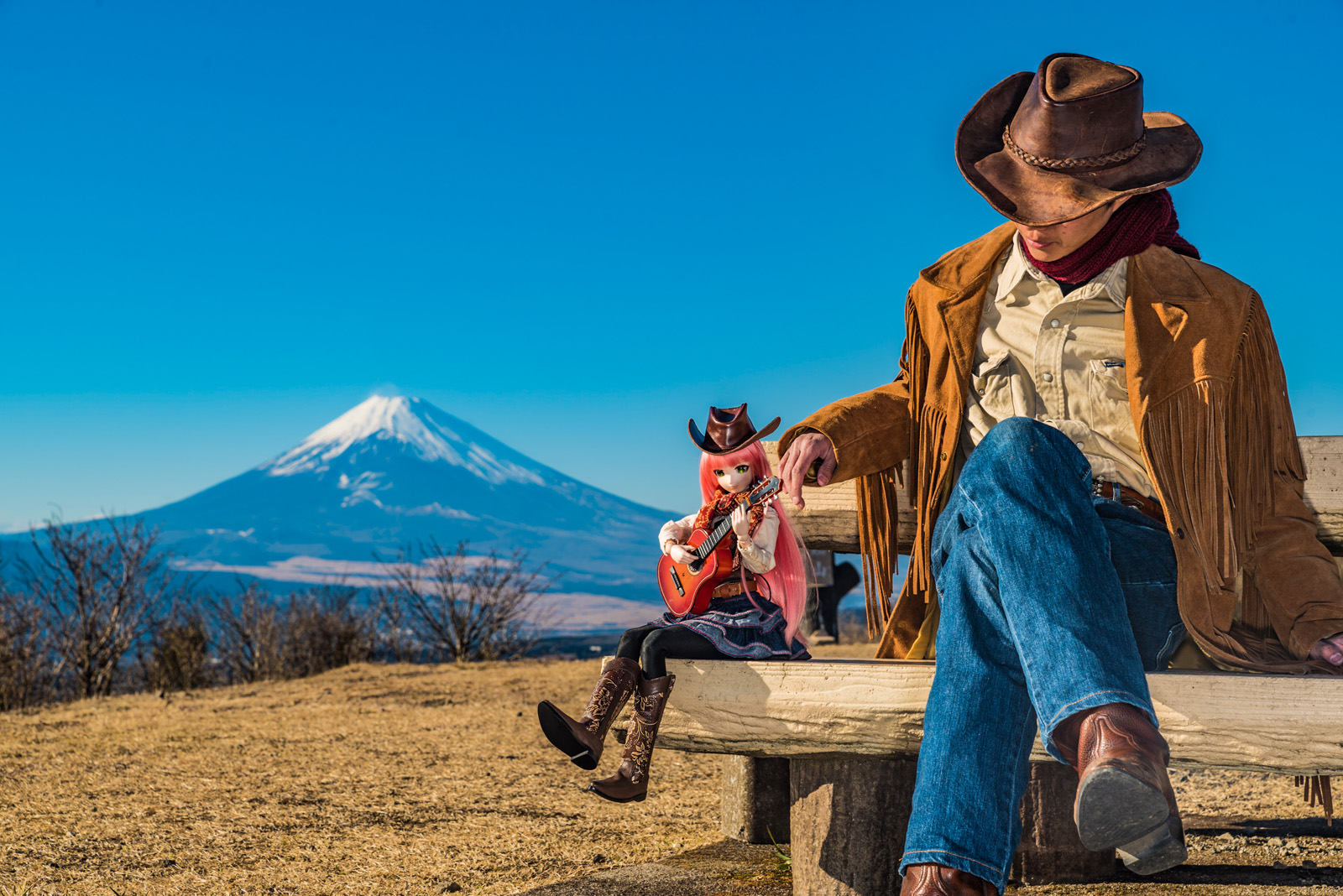
As I mentioned in the previous answer, for me, landscape photography came first and then I incorporated my doll into it. However, since the theme of my works isn’t “a traveling doll” but “traveling together with a doll”, I inevitably ended up being a subject of my own photos as well.
In your photographs, your face is often not fully visible, or you are turned away from the camera. Is this a conscious choice, and how does it influence the way you think about your presence in the image?
It’s not just me – in my pictures, even the doll faces away from the camera often.
It’s because I want us to be pictured looking at the landscape, not with our backs to it. And when I do turn away from it sometimes, it’s because my thoughts are focused on my traveling companion – the doll – instead.
You often travel by bicycle or hiking to reach your locations. How do you usually choose the places where you photograph?
Before I head out, I use Google Maps or other similar sites to pick a few potential good spots. And when I’m on the road and see good scenery, I just stop right there and start shooting.
THE ROAD TO THE SUMMIT
A three-day mountain journey through the Northern Alps of Nagano, where storms, starlit skies, and an unforgettable sunrise became part of the experience.
Is there a particular place or journey that has been especially memorable for you while creating your photographs?
The harder a journey is, the more unforgettable it ends up being afterward.
If I were to pick one that stands out, it would be a three day trip to the mountains I took one summer. On the second day, I got caught in a storm on my way to the summit. However, later the weather cleared up and I could see a beautiful star full of stars. The sunrise next morning was incredible as well.
A JOURNEY TO YARIGATAKE
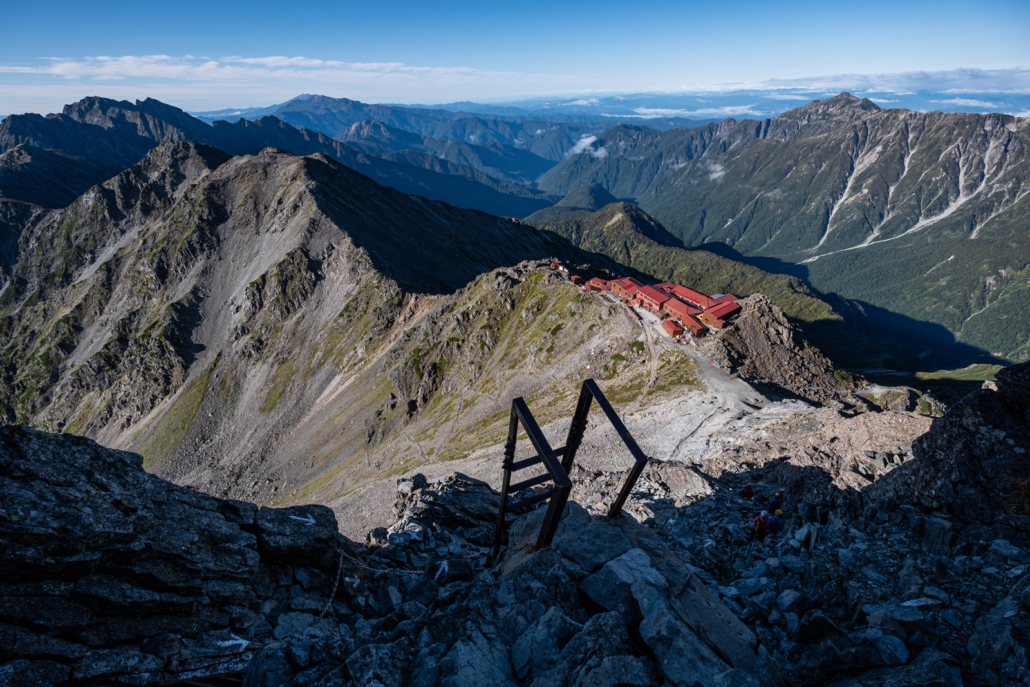
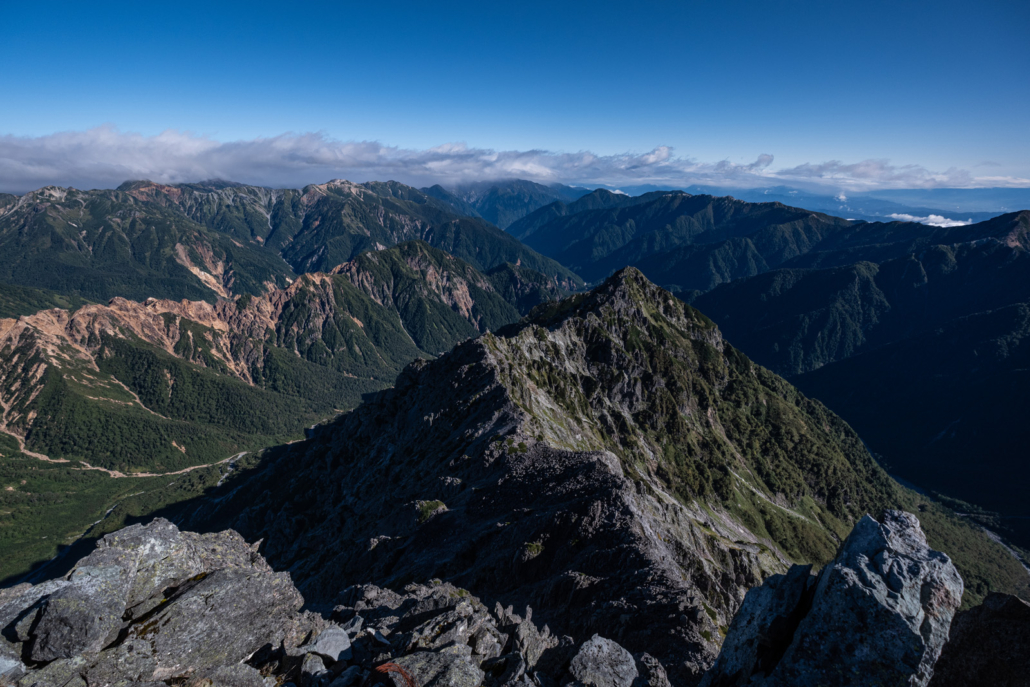
Located in the Northern Alps of Nagano Prefecture, these photographs were created during a three-day mountain journey via the Yarisawa Route from Kamikochi toward Mount Yarigatake.
Visible below the summit is Yarigatake Mountain Hut, surrounded by one of Japan’s most iconic alpine landscapes.
Your photographs include both you and the doll within the scene. Could you describe your process when creating these self-portraits?
In my case, I start by figuring out the perfect angle through the viewfinder, then I set up my doll.
After the doll is in place, I narrow down the focal ration, focus on the doll and then I use a timer on the camera to get myself in the shot as well. Then it’s just a matter of trying out different poses for myself and picking out the best result.
What are the biggest technical or practical challenges when photographing yourself together with the doll outdoors? Could you describe a specific location or photograph that required the most effort to create?
The biggest cause of troubles in outdoor photography is always the wind, and my travels often take me to places with high altitude where the wind affects me a lot.
During the winter, in addition to strong winds, you can also encounter blizzards, sudden drops of temperature or other life-threatening conditions. It really made me realize how frightening nature can be.
Sometimes you encounter great scenery when you least expect it — that’s just what traveling is like.
Do you usually plan your photographs in advance, or do you prefer to respond to the landscape and light in the moment?
Usually I prepare everything in advance. However, sometimes you encounter great scenery when you least expect it – that’s just what traveling is like. I always have my camera ready for when that happens.
CROSSING JAPAN
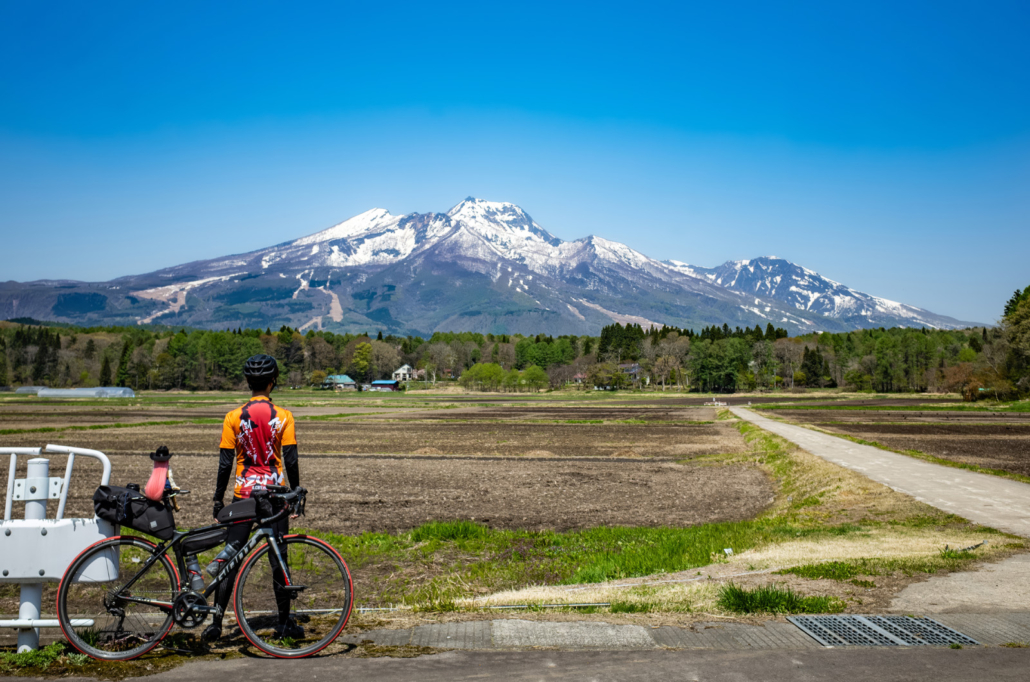
Japan is a country that stretches long from the north to the south, but it’s only 350 km wide at most – a distance you can cross even on a bicycle.
That’s why I ended up going on such a journey myself and took three days going from Tokyo Bay to the Sea of Japan. I took this picture on the third day, in Nagano Prefecture.
I went on this journey in May when it’s already pretty warm, and it took me from one sea to another. However, over a distance this long, you end up not only seeing all kinds of different scenery, but also experiencing big temperature swings due to the terrain around you. In my opinion, this is one of the parts of traveling.
A PLACE THAT FEELS LIKE HOME
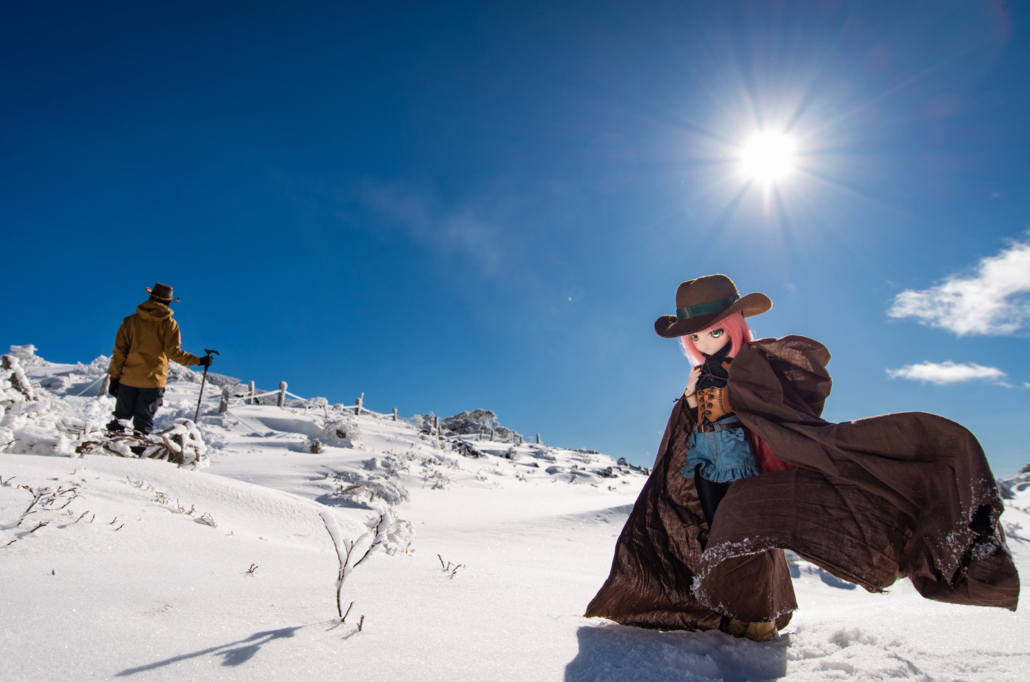
I visit this place every single winter, no exceptions.
Here on this snowy plain, which lies 2,237 m above sea level, all the hustle and bustle of the big city is gone and only the sound of the wind reaches your ears.
On especially cold days, the temperature can drop down even below -15°C. It’s definitely not a place where humans can live comfortably.
And exactly for that reason, coming to places like this allows me to feel deeply alive. I visit here every year without fault, to make sure I’m truly alive and breathing.
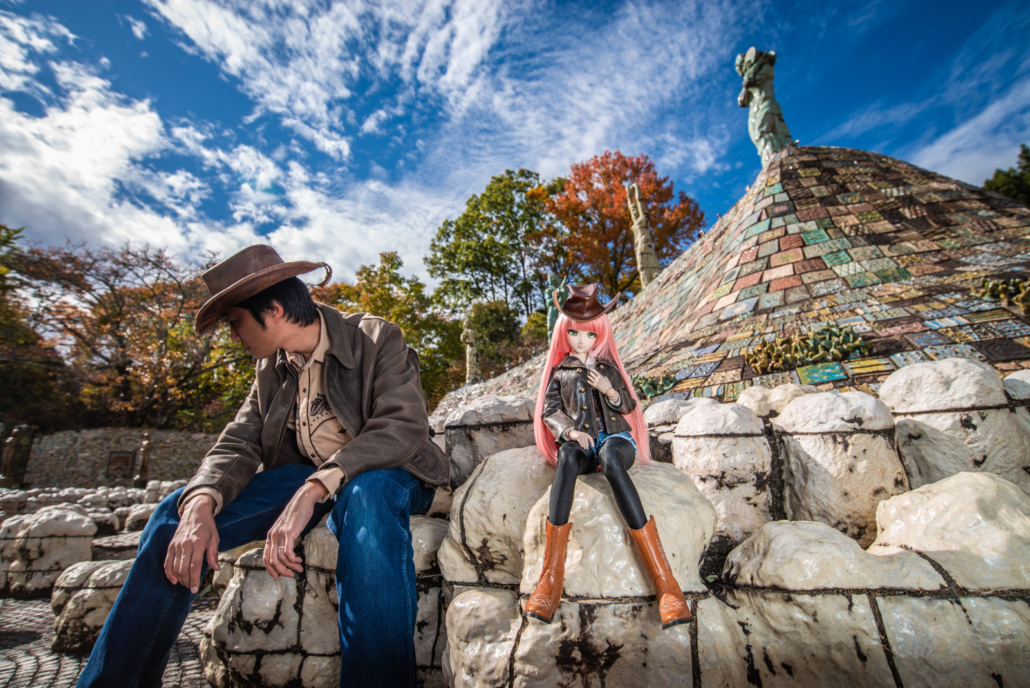
NIJI NO IZUMI (The Rainbow Fountain)
Hidden deep in the mountains of Mie Prefecture, Niji no Izumi is a vast artistic environment created over 35 years by ceramic artist Kenji Azuma. Although the project remained unfinished after his death in 2013, the site remains open to visitors today.
Driven by a desire to experience this passionate work firsthand, Johnny traveled more than 500 kilometers by motorcycle to reach the location. Despite the difficulty of finding the remote mountain site, the journey led to a place that felt almost like stepping into another world.
This photograph became a memory of encountering not only the artwork itself, but also the passion left behind by its creator.
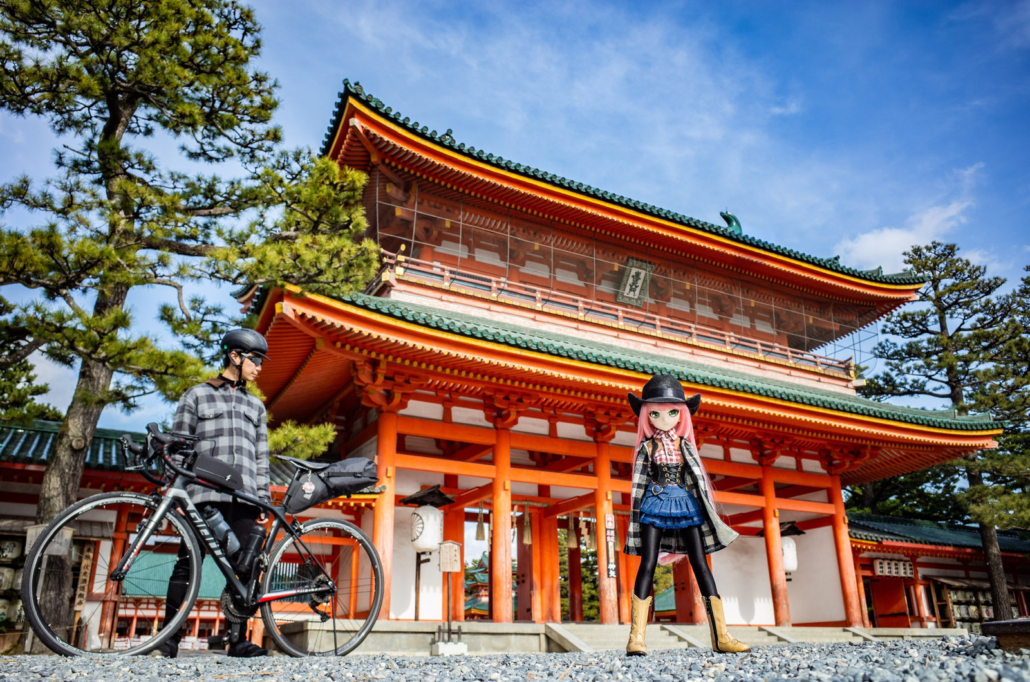
HEIAN SHRINE
This photograph was taken during a six-day bicycle journey from Tokyo to Osaka, covering a total distance of 656 kilometers.
The image was created on the final day of the trip at Heian Shrine in Kyoto. Although Johnny had visited Kyoto several times before as a tourist, this was the first time he arrived there entirely by his own strength, traveling across Japan by bicycle.
Even familiar scenery felt different after more than 500 kilometers on the road, giving the city a deeper emotional resonance than ever before.
In some of your work, you return to the same location in different seasons. What draws you to photographing the same place over time?
The main reason is simple – I just like the scenery in that place.
As the sun rises and comes down and with changing seasons, all the details change as well – color of the sky, shades of the trees and so on. Even if you come back to the same place, you can never encounter the precisely same scenery again, and that’s exactly what drives me to return to some places again and again.
Looking back at your work so far, how has your photography evolved, and what kind of images would you like to create in the future?
At the time I was starting to do self-portraits with my doll, I traveled mostly on a motorbike.
Later, I started using a bicycle as well, and I began climbing mountains in the winter. Both allowed me to see the kind of scenery that would’ve never been possible with a motorbike.
Since then, I’ve climbed many mountains in Japan, from Fuji to the Northern Japanese Alps, but there are still many, many beautiful landscapes waiting to be seen by me.
From now, I hope to take my doll on many more journeys and continue our quest to see beautiful new places.
What equipment do you currently use, and has your gear influenced the way you approach photography?
For over ten years, I’d been using NIKON D750 and D800 with AF-S NIKKOR 18-35mm f/3.5-4.5G ED, light-weight wide-angle lens.
I’d used NIKON cameras for their ability to beautifully capture blue sky, but in the March of 2026, the need to cut down weight as much as possible drove me to switch to FUJIFILM’s Xh-1 instead. As a result, my bag ended up being more than 300 grams lighter!
BEHIND THE IMAGE
Set high in the mountains of the Northern Japanese Alps, this image reflects many of the elements that define Johnny Director’s photography today: remote landscapes, physical endurance, changing weather conditions, and the quiet presence of both traveler and companion within the vastness of nature. In this Behind the Image feature, he reveals the journey, preparation, and creative process behind the photograph in detail.
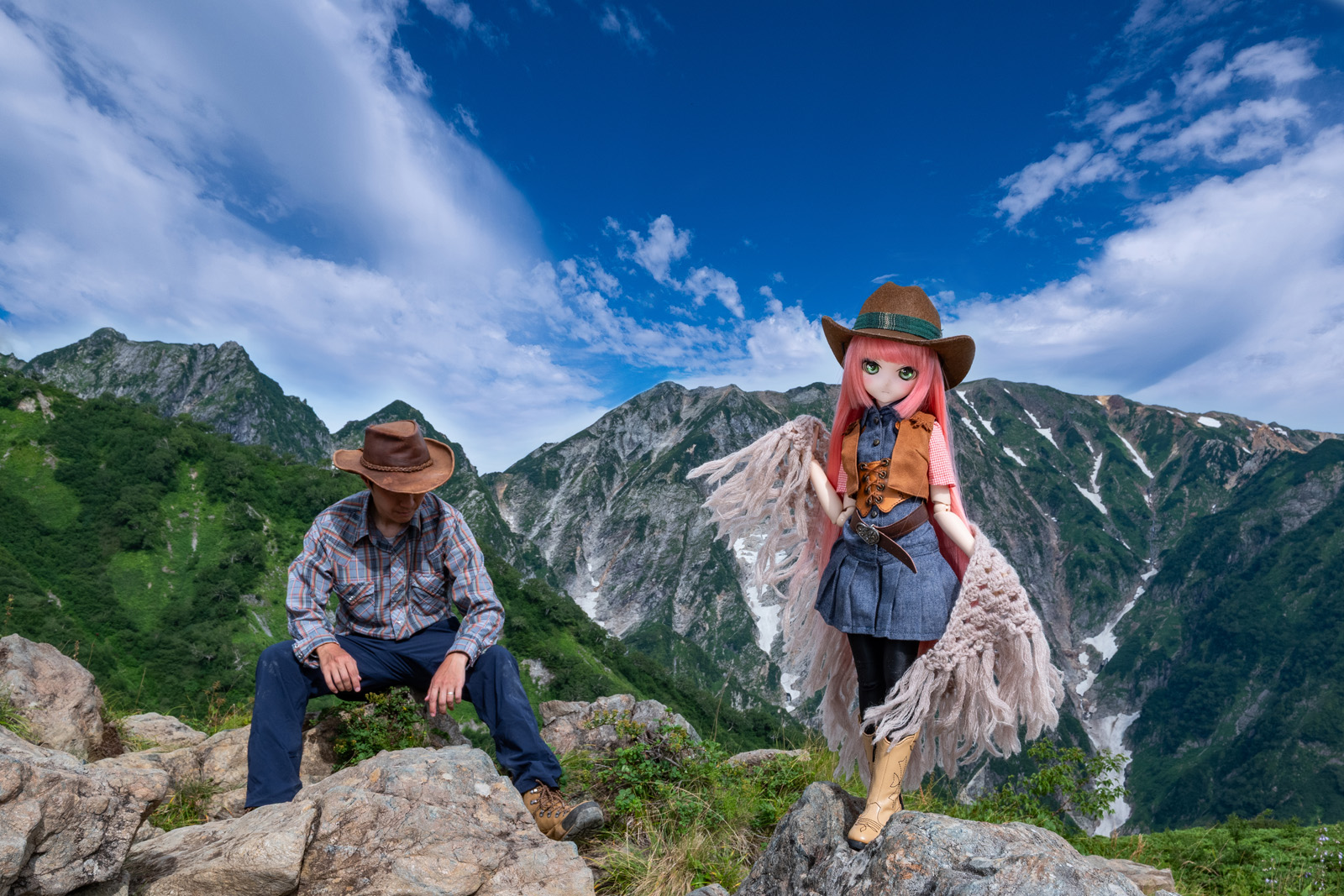
What first drew you to this location, and why did you choose it for this photograph?
This was my second time on this mountain. Despite the weather not being exactly on my side during my first visit, the view of Northern Japanese Alps with the three peaks of Hakuba in front of my eyes was so beautiful, I knew I wanted to get back someday.
When I went there two years later, I got blessed with a beautiful day perfect for photography.
How did you reach the location, and what kind of preparation or effort was required to create this image?
I took the picture on a mountain trail leading to the peak of Mount Karamatsu in Northern Japanese Alps. First I had to drive from my home to the beginning of the trail for about 4 hours. From there, walking to the place and getting back to my car took another 8 hours altogether.
Since the weather can be pretty fickle in the mountains, you can never be absolutely sure that the sky will be clear that day. That’s why I waited for the best possible timing for my second try – and why it took me 2 years to attempt it.
Could you describe the moment of the shoot? What was happening around you, and how did you decide on the final composition?
Since it wasn’t my first time there, I already had a clear idea of the composition etc.
However, when I was setting down my tripod and getting everything ready, clouds started to appear in the sky, which was clear until then. I still remember the panic I felt at that moment.
How do you position yourself and the doll within the landscape? What is important when creating this balance?
In the self-portraits with my doll, I always put the overall scenery above everything else. Both me and the doll are just one part of it, nothing more. I always try to make us blend into the picture, so that we’re not obstructing the view of the landscape or the wide sky above us.
Were there any unexpected challenges or moments during the shoot that influenced the final image?
The weather and the wind are always troubling me. Often, the wind gets so strong I can’t even keep my doll standing on her own! However, on this particular day I got lucky – the weather was unexpectedly calm and the shoot went down smoothly with no problems
Looking at the finished image now, what does this photograph represent for you?
It was my second time on this mountain, but now I feel like I want to go there again – not in the summer, but in the winter instead. Obviously, the winter conditions are going to make it more challenging, but I want to take it easy, make the best use of my previous experiences and try it someday.
Because of this, I feel like this photo represents a connection to my future, in a way.
LATEST NEWS
 Interview: Johnny Director14. 6. 2026 - 20:00
 Interview: abuwhobi (2026)7. 6. 2026 - 20:00
 Animefest 202622. 5. 2026 - 16:00
 Interview: TheTravelingSee22. 7. 2021 - 16:00
- Interview: Johnny Director14. 6. 2026 - 20:00
 Interview: Kixkillradio21. 9. 2020 - 16:00
Lead sponsor

Lead media partner